
Upper Leg Laser Hair Removal: Manhattan’s Complete Guide
Why Women’s Upper Legs Laser Hair Removal Is Worth the Investment
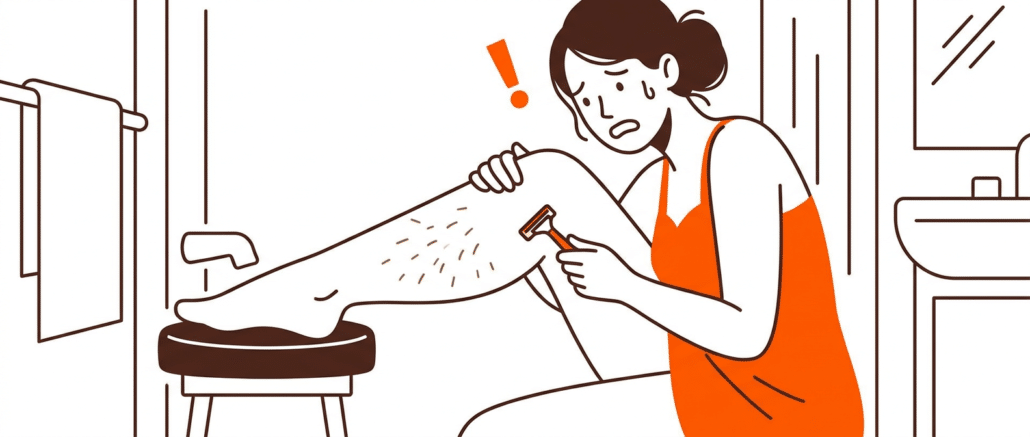
If you’re spending hours each week shaving your thighs only to deal with stubble the next day, ingrown hairs, or razor burn, you’re not alone. For busy professionals in Manhattan, the ongoing cycle of temporary hair removal becomes exhausting—especially when you’re juggling work, social commitments, and everything else life throws at you. Manhattan Laser Centers has spent over 15 years helping clients reclaim their time and confidence with medical-grade laser treatments that deliver real, lasting results.
Women’s upper legs laser hair removal targets one of the most time-consuming areas to maintain. Unlike quick fixes that require constant upkeep, laser technology addresses hair at the follicle level, significantly reducing regrowth over time. This guide breaks down everything you need to know about the process, what to expect, and why choosing the right provider matters more than you might think.
What Makes Upper Leg Laser Hair Removal Different
The upper legs—from just above the knee to the bikini line—present unique challenges compared to smaller treatment areas. The surface area is substantial, which means traditional methods like shaving or waxing demand significant time and effort. The skin on your thighs also varies in sensitivity, and many women struggle with persistent ingrown hairs, particularly along the inner thigh where friction from clothing is constant.
Laser hair removal works by delivering concentrated light energy that’s absorbed by the pigment in hair follicles. This energy converts to heat, damaging the follicle enough to inhibit future growth. Because hair grows in cycles, multiple sessions are needed to catch follicles in their active growth phase.
Key advantages for the upper legs:
- Dramatic time savings compared to weekly shaving or monthly waxing appointments
- Reduction in ingrown hairs and irritation from repetitive hair removal
- Smoother skin texture without the stubble that appears hours after shaving
- Freedom to wear shorts, skirts, or swimwear without last-minute grooming panic
- Long-term cost efficiency when compared to years of razors, creams, and wax appointments
The Treatment Process: What Actually Happens
Understanding the process helps set realistic expectations. During your first consultation, a qualified technician will assess your skin type, hair color and texture, and medical history. This isn’t a sales pitch—it’s a clinical evaluation to determine if you’re a good candidate and to customize settings for your specific needs.
Session breakdown:
Each upper leg treatment typically takes 30-45 minutes, depending on the exact area being covered. You’ll wear protective eyewear while the technician uses a handheld device to deliver laser pulses across the treatment zone. Most people describe the sensation as a rubber band snap followed by a cooling sensation—modern medical-grade lasers like FDA-cleared Candela systems include built-in cooling mechanisms that make the process more comfortable.
Timeline expectations:
Most clients need 6-8 sessions spaced 6-8 weeks apart for optimal results. Hair grows in cycles, and only follicles in the active growth phase respond to treatment. After your initial series, you may want occasional maintenance sessions as hormones, age, and other factors can trigger new hair growth over the years.
Between sessions, you’ll notice progressive reduction. Some hairs will shed within 1-2 weeks post-treatment, and regrowth becomes finer and sparser with each session.
Why Equipment and Expertise Matter More Than Price
If you’ve been tempted by Groupon deals or at-home IPL devices, you’ve probably noticed disappointing results. There’s a significant difference between true medical-grade lasers and intense pulsed light (IPL) technology often used at budget facilities or in consumer devices.
Medical lasers vs. IPL:
Medical-grade lasers deliver a single, concentrated wavelength of light that penetrates deeper and targets hair follicles more precisely. IPL devices emit broad-spectrum light that’s less focused and less effective, particularly on finer hair or darker skin tones. While IPL might be cheaper upfront, you’ll likely need more sessions with less dramatic results—or worse, risk burns or hyperpigmentation if settings aren’t properly calibrated.
Credentials to look for:
- FDA-cleared laser systems (not just “FDA-registered facilities”)
- Experienced, certified technicians who understand how to adjust settings for different skin types
- Transparent pricing with no hidden fees or pressure to buy packages you don’t need
- Willingness to offer consultations without obligation
When you’re treating a large area like the upper legs, the difference between experienced hands and inexperienced operators becomes even more apparent. Proper technique ensures even coverage, appropriate energy levels, and minimal discomfort.
Preparing for Women’s Upper Legs Laser Hair Removal in Manhattan
Preparation is straightforward but important for both safety and effectiveness:
Before your appointment:
- Shave the treatment area 24 hours prior—the laser targets the hair follicle beneath the skin, not the hair shaft above it
- Avoid sun exposure and tanning for at least 4 weeks before treatment (tanned skin increases risk of burns)
- Skip waxing, plucking, or threading for 6 weeks prior—these methods remove the hair root that the laser needs to target
- Arrive with clean, dry skin free of lotions, oils, or makeup
- Avoid retinoids or exfoliating products for several days before your session
After your session:
You can return to normal activities immediately, though you may notice some redness or slight swelling that typically resolves within a few hours. Avoid hot showers, saunas, or intense exercise for 24 hours. Apply sunscreen diligently if your legs will be exposed—treated skin is more sensitive to UV damage.
Cost Considerations and Value Analysis
Women’s upper legs laser hair removal represents a significant upfront investment, but the math becomes compelling when you calculate lifetime costs of alternatives.
Average spending on traditional methods:
- Razors and shaving cream: $150-300 annually
- Professional waxing every 4-6 weeks: $1,200-2,400 annually
- Over 20 years: $24,000-48,000 on waxing alone
Laser hair removal typically costs less than three years of regular waxing, with results that last significantly longer. When evaluating providers, focus on value rather than the lowest price. Reputable clinics offer transparent pricing and package options—check out detailed pricing for laser hair removal services to understand what’s included.
Beware of providers who won’t quote prices upfront or who use high-pressure tactics to push you into contracts. Refundable packages and no-obligation consultations signal a provider confident in their results.
Who’s the Ideal Candidate?
Laser hair removal works best on individuals with darker hair and lighter skin because of the contrast in pigment. However, advances in laser technology now allow safe and effective treatment for a much wider range of skin tones and hair colors.
Best candidates:
- Women with dark, coarse hair on the upper legs
- Those tired of ingrown hairs, razor burn, or constant maintenance
- People with realistic expectations about the number of sessions required
- Individuals not currently pregnant or nursing
- Those without active skin infections or certain medical conditions
Less ideal scenarios:
- Very light blonde, red, or gray hair (lacks sufficient pigment for laser absorption)
- Recently tanned skin
- Active skin conditions like eczema or psoriasis in the treatment area
- Certain medications that increase photosensitivity
A thorough consultation will determine your candidacy and set appropriate expectations.
Frequently Asked Questions
How painful is upper leg laser hair removal?
Most clients describe the sensation as tolerable—similar to a rubber band snap followed by cooling relief. The upper legs are generally less sensitive than areas like the bikini line or underarms. Medical-grade lasers with integrated cooling systems significantly reduce discomfort. Pain tolerance varies by individual, but the vast majority of clients find the process manageable without numbing cream.
Can I shave between laser sessions?
Yes, shaving is the only hair removal method you should use between sessions. Shaving cuts hair at the surface without disturbing the follicle beneath, which needs to remain intact for the laser to target. Avoid waxing, plucking, threading, or depilatory creams, as these remove the hair root and make subsequent laser treatments ineffective.
How long until I see results on my upper legs?
You’ll notice shedding of treated hairs within 1-3 weeks after your first session, but significant reduction becomes apparent after 3-4 treatments. Hair grows in cycles, so some follicles are dormant during your first session and won’t be affected until later treatments catch them in the growth phase. Patience through the full series of 6-8 sessions delivers the most dramatic, long-lasting results.
Ready to Ditch the Razor for Good?
Women’s upper legs laser hair removal offers a practical solution for anyone exhausted by the endless cycle of temporary hair removal. With the right equipment, experienced technicians, and realistic expectations, you can achieve smooth, low-maintenance legs that save you time and boost your confidence.
Manhattan Laser Centers combines 15+ years of expertise with FDA-cleared Candela laser technology and a no-pressure approach that respects your time and intelligence. Whether you’re ready to commit or simply want to learn more, schedule your consultation today to discuss your goals and get transparent answers to all your questions. No hidden fees, no spam, no pressure—just honest guidance from professionals who’ve helped thousands of clients achieve lasting results.