
Manhattan Men’s Lower Legs Data: Hair Removal Results Study
Why Men Are Choosing Lower Leg Laser Hair Removal: A Data-Driven Look
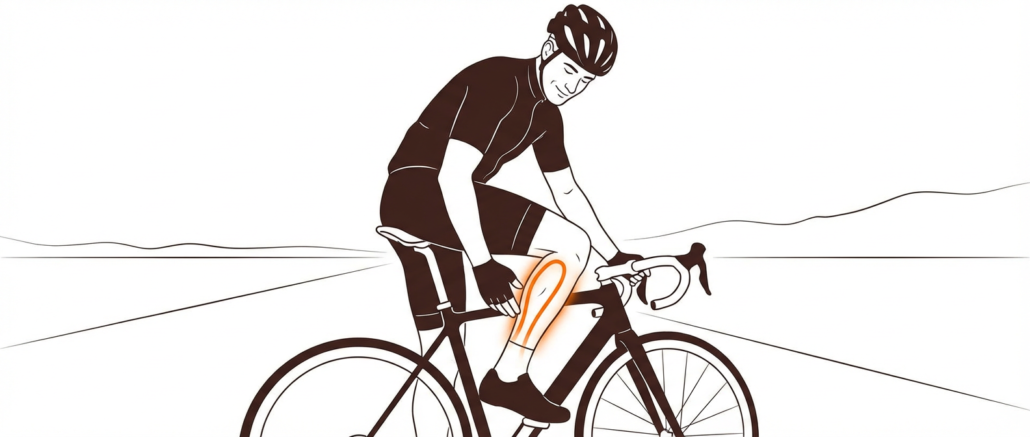
For years, laser hair removal was marketed almost exclusively to women. But recent industry data tells a different story—men now account for nearly 40% of all laser hair removal clients nationwide, with lower leg treatments climbing steadily in popularity. Whether you’re a cyclist tired of pre-race shaving rituals, a swimmer seeking a competitive edge, or simply someone who prefers the clean aesthetic of hair-free legs, men’s lower legs laser hair removal has evolved from niche request to mainstream grooming standard.
At Manhattan Laser Centers, we’ve tracked this shift firsthand over our 15+ years in practice. What was once an occasional inquiry has become one of our most requested services for male clients in Manhattan. The reasons are practical, the technology is proven, and the results speak for themselves. Let’s examine what the data actually shows about this growing trend.
The Numbers Behind the Male Grooming Shift
According to the American Society for Dermatologic Surgery, men accounted for 9% of laser hair removal procedures in 2010. By 2023, that figure had jumped to 38%—a more than fourfold increase in just over a decade. Lower legs specifically have seen dramatic growth, particularly among:
- Athletes and fitness enthusiasts (cyclists, runners, swimmers, bodybuilders)
- Men with dense, coarse leg hair that causes discomfort or irritation
- Professionals in appearance-conscious industries (modeling, entertainment, hospitality)
- Individuals with folliculitis or chronic ingrown hairs from shaving or waxing
The data also reveals that men who choose laser hair removal tend to be decisive once they commit. A 2022 consumer survey found that 73% of male laser clients completed their full treatment series, compared to 68% of female clients—suggesting that when men invest in the process, they follow through.
What Makes Lower Legs Different for Men
Male leg hair typically differs from female leg hair in density, coarseness, and growth patterns. These biological differences actually work in your favor when it comes to laser effectiveness.
Coarser hair absorbs more laser energy. The melanin in darker, thicker hair follicles provides an ideal target for medical-grade lasers like our FDA-cleared Candela systems. This means men often see more dramatic results per session compared to finer hair types.
Higher follicle density requires strategic treatment. Men’s lower legs can have 30-50% more active hair follicles per square inch than women’s. This doesn’t mean more sessions necessarily, but it does require proper laser settings and thorough coverage—something that separates true medical lasers from inferior pulsed light devices sold at spas or used in discount chains.
Skin thickness matters. Male skin on the lower legs tends to be thicker and less sensitive than facial skin, which typically translates to better tolerance during treatment. Most of our male clients describe the sensation as a quick rubber-band snap—noticeable but entirely manageable.
Treatment Timeline: What the Clinical Data Shows
One of the most common questions we hear: “How many sessions will I actually need?” The honest answer depends on your individual hair growth cycle, but clinical studies provide useful benchmarks.
Research published in Lasers in Surgery and Medicine tracked outcomes for men receiving lower leg laser hair removal with alexandrite lasers (the same technology we use). The findings:
- After 3 sessions: Average hair reduction of 45-60%
- After 6 sessions: Average hair reduction of 75-85%
- After 8 sessions: Average hair reduction of 85-95%
Sessions are typically spaced 6-8 weeks apart initially, then extended to 10-12 weeks as hair growth slows. Most men complete their primary series within 12-18 months, with occasional touch-ups every 1-2 years to address any new growth triggered by hormonal changes or dormant follicles.
It’s worth noting that these results come from medical-grade laser systems. IPL devices and lower-powered lasers show significantly lower efficacy rates—often requiring 12+ sessions for comparable results, if they work at all.
Cost Analysis: The Long-Term Math
Let’s talk numbers, because transparency matters. The average cost for men’s lower legs laser hair removal in Manhattan ranges from $300-$600 per session at reputable medical practices. Over a typical 6-8 session series, you’re looking at $2,400-$4,000 total investment.
Compare that to a lifetime of alternatives:
Shaving: Assuming $15/month in razors and shaving cream over 40 years = $7,200
Waxing: At $80 per session every 6 weeks over 40 years = $27,733
Depilatory creams: At $12/month over 40 years = $5,760
Beyond the financial calculation, consider the time investment. If you spend 10 minutes shaving your lower legs twice weekly, that’s 17 hours per year—or 680 hours over 40 years. That’s nearly a full month of your life spent on temporary hair removal.
You can review our complete pricing structure and package options at our laser hair removal pricing page, where we list all costs upfront with no hidden fees.
Men’s Lower Legs Laser Hair Removal in Manhattan: What to Expect
Walking into your first consultation shouldn’t feel like entering a sales pitch. Here’s what actually happens during the process:
Initial Assessment: We examine your skin type (using the Fitzpatrick scale), hair color and density, and discuss your goals. This determines the appropriate laser settings and realistic expectations.
Patch Test Option: For clients with sensitive skin or concerns about reaction, we can perform a small test area first.
Treatment Sessions: Each lower leg session typically takes 30-45 minutes. We don’t rush—our schedule allows adequate time for thorough coverage without making you feel like you’re on an assembly line.
Post-Treatment Protocol: Mild redness for 2-24 hours is normal. Most men return to work, gym, and normal activities immediately. We provide specific aftercare instructions about sun exposure and exfoliation.
Progress Tracking: Hair sheds over 2-3 weeks post-treatment. You’ll notice progressively less regrowth with each session, with finer texture in remaining hairs.
Safety and Side Effects: What the Research Says
A comprehensive review in the Journal of Clinical and Aesthetic Dermatology analyzed safety data from over 2,000 laser hair removal patients. Key findings for lower leg treatments:
- Temporary redness/swelling: 85% of patients (resolves within 24 hours)
- Mild crusting: 8% of patients (resolves within 3-5 days)
- Pigment changes: Less than 2% (typically temporary, higher risk in darker skin tones without proper laser selection)
- Scarring: Less than 0.1% (almost exclusively linked to improper settings or non-medical providers)
The safety profile improves dramatically when treatments are performed by trained professionals using FDA-cleared equipment with appropriate settings for your skin type. This is precisely why we emphasize our certifications and 15+ years of experience—it’s not marketing fluff, it’s risk mitigation.
Who Should Consider This Treatment
Men’s lower legs laser hair removal makes sense if you identify with any of these scenarios:
- You shave or wax regularly and want to eliminate the routine
- You experience ingrown hairs, razor burn, or folliculitis
- You’re an athlete seeking aerodynamic or aesthetic advantages
- You have dense leg hair that causes discomfort under clothing
- You want to reduce grooming time and long-term costs
- You’ve tried at-home IPL devices without satisfactory results
It’s not the right fit if you have very light blonde, red, or gray hair (insufficient melanin for laser targeting), or if you’re planning significant sun exposure during your treatment series.
Frequently Asked Questions
Does laser hair removal on men’s lower legs hurt?
Most men describe the sensation as tolerable—similar to a rubber band snap against the skin. Lower legs are generally less sensitive than areas like the face or underarms. The discomfort is brief (each pulse lasts milliseconds), and most clients don’t require numbing cream. Pain tolerance varies individually, but the vast majority of our male clients complete treatments without issue.
Can I still work out and play sports during treatment?
Yes, with minor modifications. You can resume exercise 24-48 hours after treatment once any redness subsides. Avoid chlorinated pools for 48 hours post-treatment, and always shower immediately after sweating to prevent folliculitis. If you’re a competitive cyclist or swimmer, plan your sessions during off-season or lighter training periods when possible.
Will the hair ever grow back after completing treatments?
Laser hair removal targets active growth-phase follicles and damages them to prevent regrowth. Most men achieve 85-95% permanent reduction after completing their series. Some fine regrowth can occur years later due to hormonal changes or previously dormant follicles activating, but this is typically minimal and easily addressed with occasional maintenance sessions. It’s not truly “permanent” in the sense that every single follicle is destroyed forever, but the reduction is long-lasting and dramatic.
Ready to Reclaim Your Time?
The data is clear: men’s lower legs laser hair removal delivers measurable, long-lasting results when performed with proper equipment by experienced professionals. No more daily shaving routines, no more ingrown hairs, no more waxing appointments—just smooth, low-maintenance legs.
We’ve spent over 15 years perfecting this process at Manhattan Laser Centers, using FDA-cleared Candela lasers and a no-pressure approach that respects your time and intelligence. Our pricing is transparent, our consultations are pressure-free, and our results speak for themselves.
Schedule your complimentary consultation to discuss your specific goals and get a personalized treatment plan. No spam, no hidden fees, no hassle—just honest answers and expert care.